

What we help with
- Divorce and division of matrimonial property
- Child support claims and changes to the amount
- Determining a child’s place of residence and contact arrangements
- Drafting and challenging prenuptial agreements
- Challenging unlawful dismissal and seeking reinstatement
- Recovery of unpaid wages, compensation and other payments
- Disputes over employment contracts and disciplinary sanctions
How we work
In family matters we first look at reaching an agreement: it is usually faster and easier on children. If that is not possible, we prepare the evidence carefully and defend your interests consistently in court. Deadlines in employment disputes can be short, so we recommend contacting us as early as possible.
What to prepare for the consultation
- Marriage certificate and children’s birth certificates
- Property documents and proof of income
- Employment contract, orders and employment records
- Proof of salary payments
- Correspondence with the employer or the other party
You can send documents in advance via Telegram or email.
Lawyers in this practice
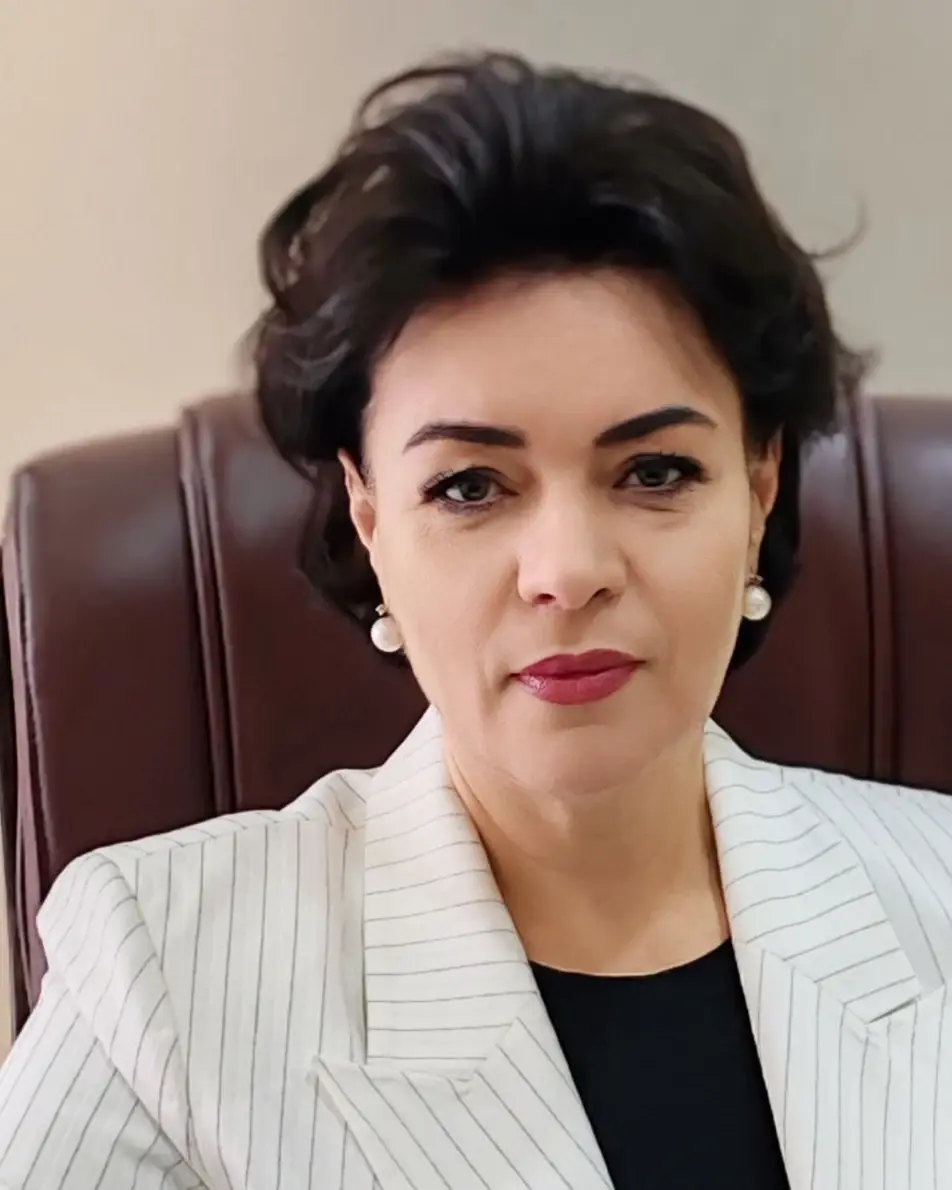 Feruza KhudayberdievaManaging partner
 Bakhtiyor NazirovAttorney
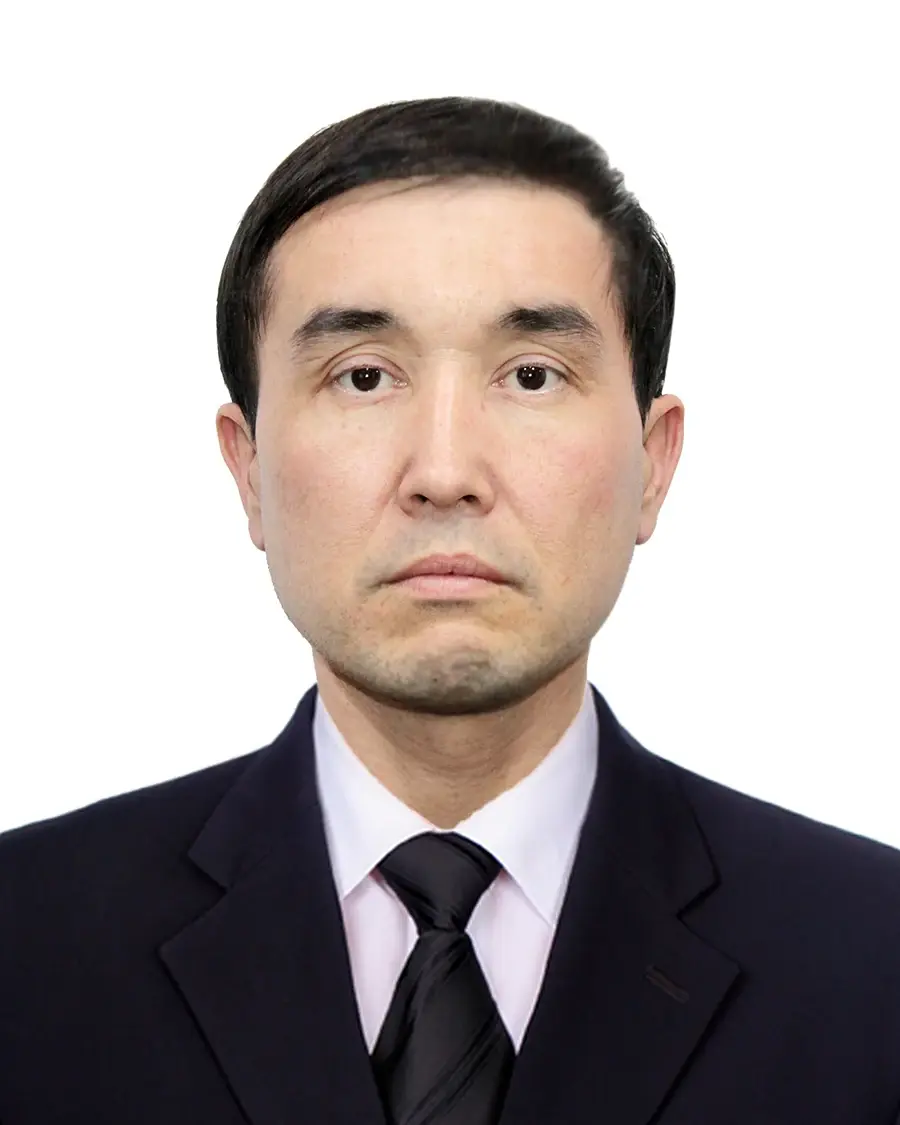 Farrukh KarshievAttorney
 Feruza AbzalovaAttorney
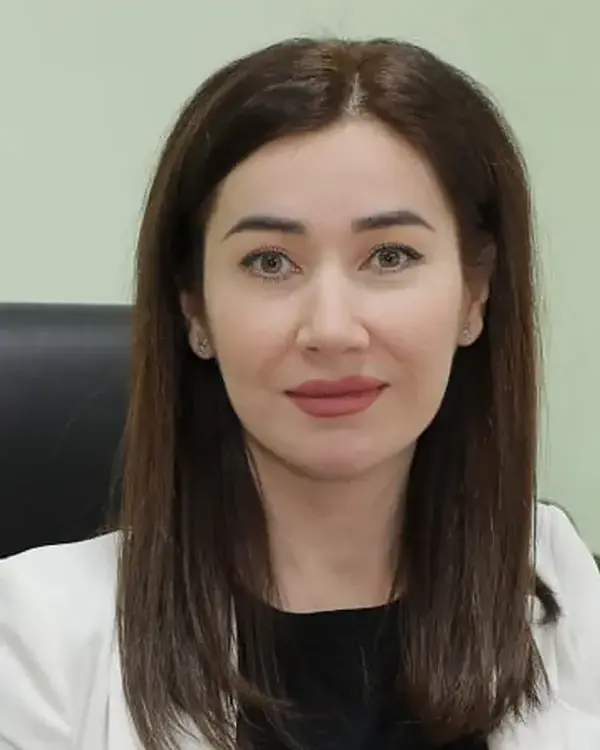 Nasiba AbdurakhmanovaPartner
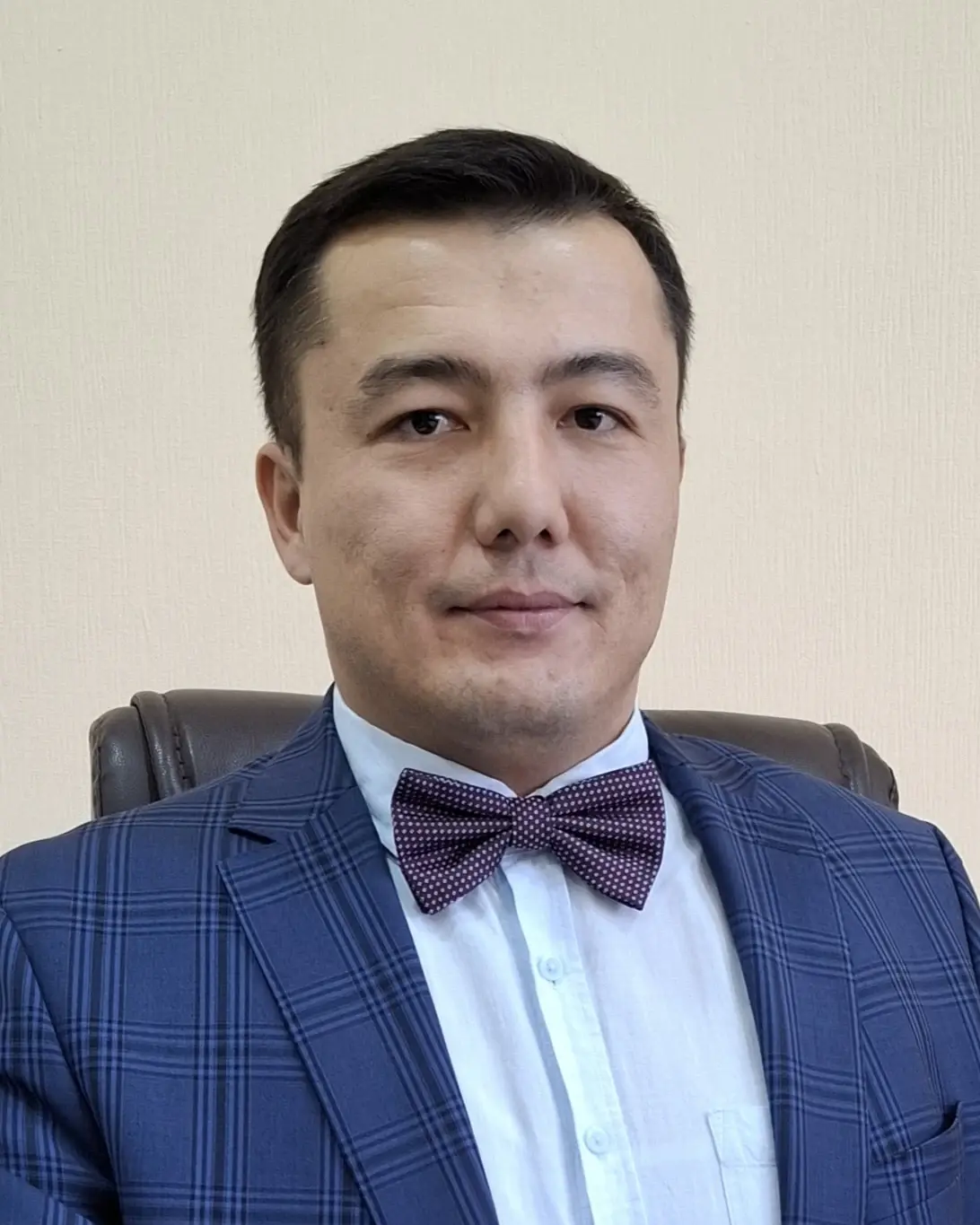 Sharofiddin ToshpulatovAttorney
Frequently asked questions
Is confidentiality maintained?
Yes. Information received from a client is confidential and is not disclosed without the client’s consent, except as required by law.
Can I seek legal advice anonymously?
This is possible for general consultations. However, identification of the person or company is required to sign a legal services agreement and to represent the client.
Do I need to attend court in person?
In many cases, a lawyer can represent you on the basis of a power of attorney and a legal services agreement.
How long does a court case usually take?
It depends on the category of the case, the complexity of the dispute, the number of participants and the court’s workload.